
|

|

|

|

|

|
|
|
Research Like most holders of DMA degrees in composition, the majority of my research output is creative in nature—experimenting with new combinations of musical sounds that hopefully resonate with listeners and performers. You can hear many of the fruits of this research elsewhere on the website. Here, I share the other side of what I do as a scholar: producing what I hope are fresh but well-informed perspectives on repertoire that is often neglected by existing scholarship. 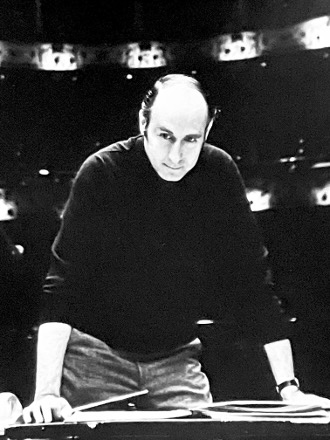 My current research focus is the music of mid-20th century musicians whose careers cross the various divides between film composing, songwriting, concert music, and cultural figure or celebrity. The initial figures I examined through this lens are Henry Mancini, Burt Bacharach, and Quincy Jones—a trio I was fortunate to teach a graduate seminar about in 2023. (Other composers who fit into this category are Michel Legrand, André Previn, and Lalo Schifrin, but I haven't had the chance to dig as deeply into their music yet.)
Under that umbrella, I'm presently conducting a review of all the music that Henry Mancini composed for non-film projects. This includes his works that fit into the jazz/pop/easy-listening category, but I am focusing on his (so-called) "legitimate" concert works, which include showpieces for flute and violin, an overture for orchestra, a short string quartet, and a few other odds & ends. 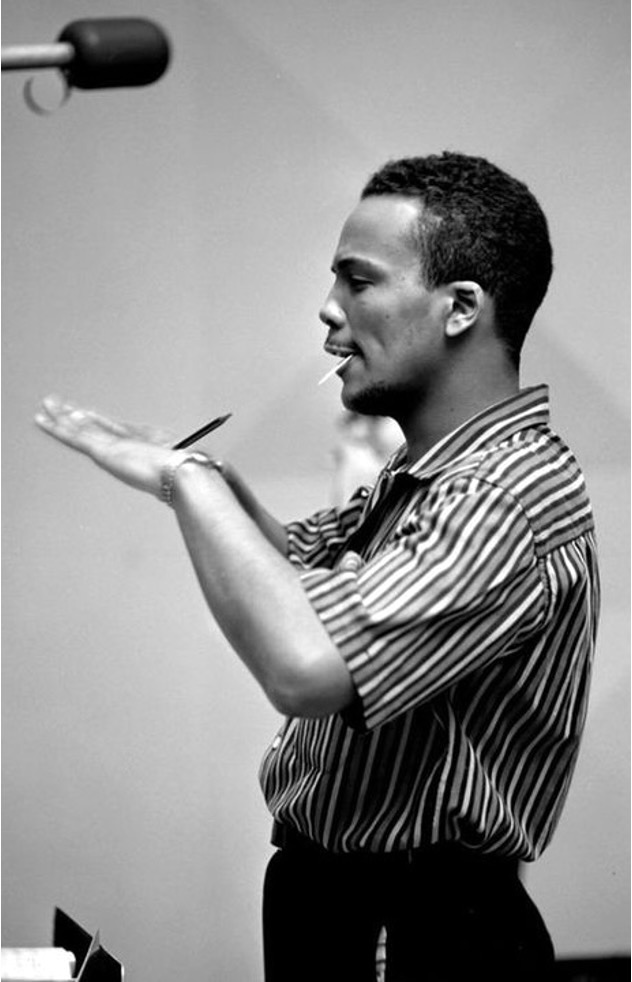 My most recent completed research work is called "From Be-Bop To Hip-Hop": Vocality and Embodiment in the 1960-1990 Music of Quincy Jones. From Jones's earliest gigs with Lionel Hampton and Dizzy Gillespie, through his career producing artists from Ray Charles to Lesley Gore to Michael Jackson, to his ultimate embrace of Hip-Hop, Jones's path as a musical artist can seem random and unpredictable. However, careful and thorough analysis of his music from approximately 1960 to 1990 reveals an observable progression in which Jones embraces new forms of Black American music as they rise to cultural prominence. I posit that the most reliable signs of this embrace are highly individualistic uses of the human voice, including vocal effects from instrumentalists, thus giving performers' bodies a centered role in music-making. Most frequently, this quality of intensified vocality and embodiment calls attention to the Black musical and cultural identities of its performers, thus illuminating a clear path from Jones's origins in jazz to his eventual collaborations with the highest caliber of R&B and Hip-Hop artists.
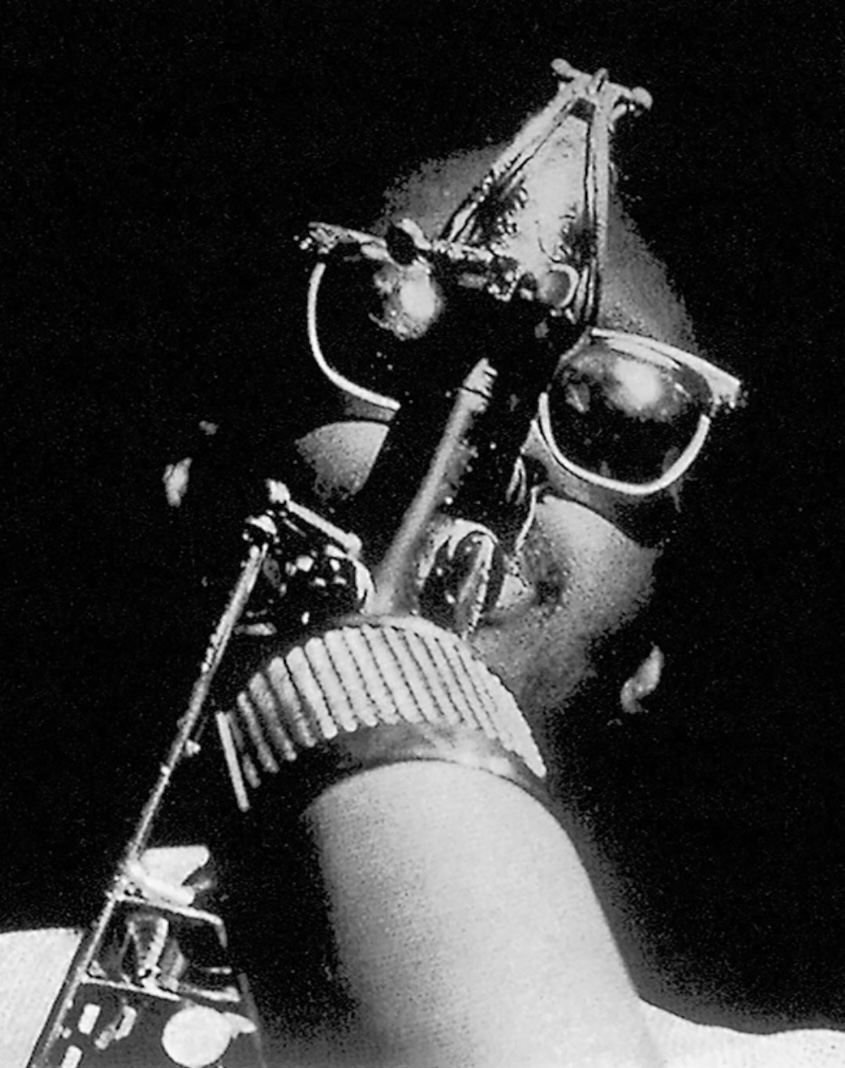 During my doctoral work, I undertook a significant project on jazz tenor saxophonist Hank Mobley. In his fragmented career, he recorded prolifically for Blue Note Records, appearing on dozens of albums as a sideman, leader, or co-leader, yet he never achieved the fame of colleagues such as Wayne Shorter or John Coltrane. His compositional catalogue comprises about 132 works, of which a previous scholar had transcribed 100. I transcribed the remainder and chronicled them as a kind of "public musicology" weekly blogging project under the title Mobley Mondays. Alongside that effort, my paper Sonic Identity as a Factor in the Popular Evaluation of Hank Mobley argues that Mobley remained an obscure figure due to a lack of an easily perceptible and highly individual "signature sound." His tone on the tenor saxophone was beautiful, but it varied widely from session to session; the harmonic turns of his compositions were always interesting, but were as likely to follow passing fads as they were to adapt to major stylistic trends. Several other factors have over time been assigned blame for Mobley's slighted status: a lukewarm early evaluation by one influential critic as "the middleweight champion of the tenor saxophone," jail time due to drug use, and failure to land a jukebox hit are all commonly posited. The paper evaluates those factors' roles in Mobley's obscurity in his own lifetime and in his rise to jazz martyrdom.
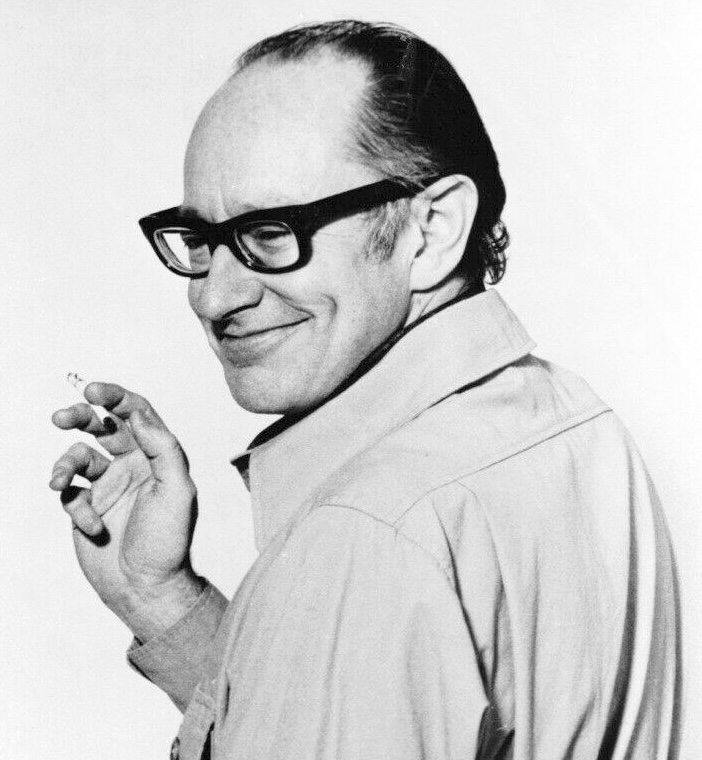 Further jazz-related research includes an in-depth analysis of alto saxophonist Paul Desmond's 1973 recording of Henry Purcell's "Music For A While," how it was issued on LP and CD over the years, and whether it was presented how it was intended. Given Desmond's penchant for overdubbing multiple contrapuntal solos around this time, I posit that the original intent was to layer multiple improvisations on this recording, but that plan was abandoned. Subsequent reissues of this music erroneously present the intended overdub as an alternate take. Not convinced? Read on: "Music For A While," After a While: Digital Reconstruction, Musical Analysis, and Authorial Intent in the Age of the CD Reissue.
Outside of those, I've enjoyed giving guest lectures and publications on various topics of expertise over the years:
Teaching 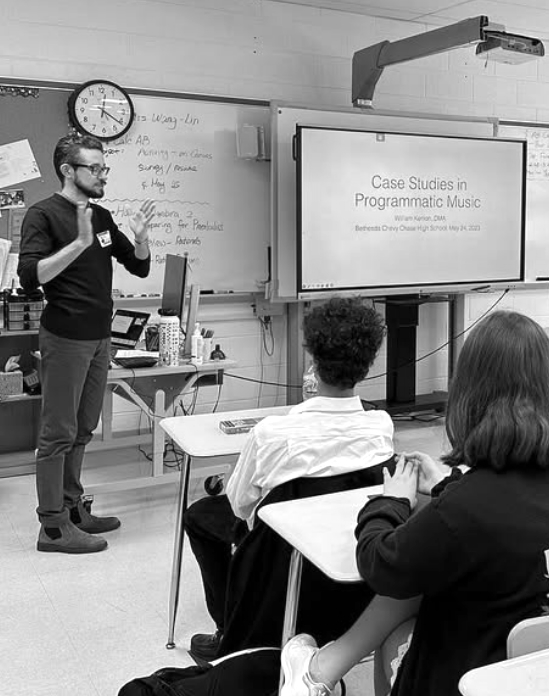 My primary guiding principle is that when I first encounter a student, I must meet them wherever they may be on their musical path. I think of that path as one with two dimensions: it is a long path in terms of the journey from beginner to expert, and it is also a broad path in terms of the range of influences and musical voices that must be nurtured. Therefore, I strive to reach students with methods flexible enough to span both dimensions of the path that they are traveling—anywhere on the path of mastery and anywhere on the aesthetic spectrum, without judgment. This is my approach to both individual instruction and classroom teaching.
I began offering private mentorship in composition in 2015, and at the time of this writing I have formally taught 33 composers—some as part of degree programs (at St. Mary's College, Howard University, and George Mason) and others outside of a formal curricular structure. I've been thrilled to receive positive feedback from former students, including this particularly articulate review from a former Howard student: "Dr. Kenlon is a dynamic presence in our lessons, switching effortlessly from laser-focused analysis of my craft and technical critique to broad-scale professional mentorship to relaxed, easygoing rapport... He has applied simultaneous pressure and compassion, creating an environment where effort and authenticity are mandatory, yet entirely academically and emotionally safe to present. ... I have achieved goals and received opportunities over my time in Dr. Kenlon's studio that I could never have imagined four years ago."Some of my students have been working with me on developing musical skills for as long as eight years, while others have sought guidance on a project-by-project basis. Examples of projects include preparing admissions portfolios (undergrad through doctoral), completing a chamber or large-ensemble piece, and analyzing existing works for upcoming performances. Alumni of my studio have been accepted to major programs including NYU, Boston Conservatory/Berklee, and Tanglewood. I currently offer private composition & theory lessons in-person to residents of Dublin but have been chiefly teaching via Zoom since 2020. Most of my classroom instruction, since I began as a graduate TA in 2011, has been in the core undergraduate theory & aural skills curriculum. There's a certain consistency to that core in many US institutions, but I've tried to expand the concepts covered to be inclusive of more styles of music since I became an instructor of record in 2015. I see no reason to confine myself or my students to the Western Art Music repertoire when so many broad ideas—dissonances resolving to consonances, the regulation of musical density, the principles of rhythmic alignment, the opening and closing of phrases—are expressed across so many genres and traditions. Outside of the core theory curriculum, I have been teaching upper-level theory offerings and music courses for non-majors since 2017. These include Music Appreciation, Music Fundamentals, Instrumentation, Orchestration, Form, Counterpoint, and Music Technology. Of these, the courses I'm proudest of have been those which I most significantly overhauled. My Music Appreciation course eschewed a historical structure in favor of one built on seven musical parameters: timbre, texture, melody, harmony, rhythm, form, and referentiality. This allowed the class to build a strong vocabulary for understanding and describing any kind of music, which I believe is the most practical daily application of the course's learning goals. My Counterpoint course similarly breaks out of the exclusive Johann Fux/Alfred Mann prison (useful for composers but of limited relevance to most current students outside of a strict conservatory environment) and explores the broader concept of counterpoint as expressed in a multitude of musical settings. Studies in polyrhythmic drumming, ostinato, descant, countermelody, call & response, and post-tonal counterpoint augment the traditional 16th-/18th-century framework. Finally, I've been lucky to teach several graduate seminars: pre-tonal music theory, graduate analysis survey, and the 20th-century topics described in the previous heading (Mancini/Bacharach/Jones/etc.). The chance to work with advanced students on developing research papers and projects is a demanding but rewarding relief from the core theory & aural skills courses. I'm always happy to make time for a guest lecture—feel free to get in touch via email if anything above resonates with you! |
||||||
|
© 2026 |
||||||
|
|
|
|
|
|
|
|